
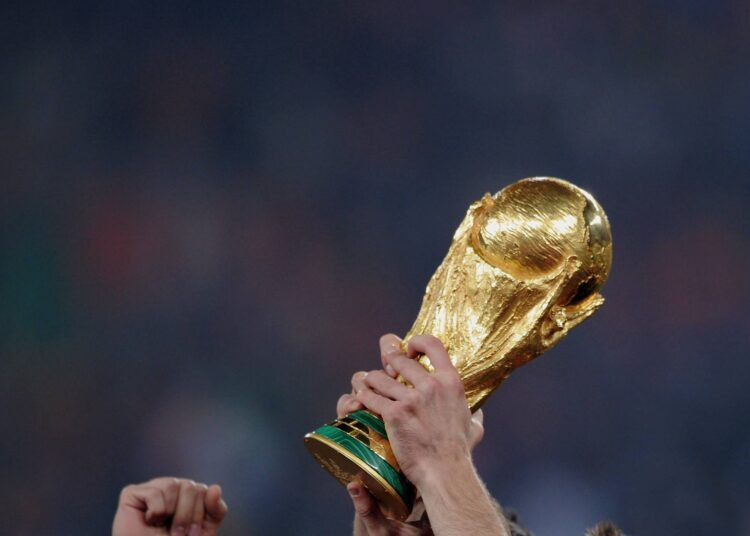
FIFA World Cup 2026: How four teams fell short on football’s biggest stage
The 2026 FIFA World Cup did not just crown a new champion; it exposed how Portugal, Turkey, Brazil, and Germany turned grand expectations into the most striking failures.
Four giants, one theme: the 2026 FIFA World Cup exposed how fragile footballing superpowers can be when structure, selection and psychology are even slightly off. Each of Portugal, Turkey, Brazil and Germany arrived in North America with expectations of deep runs; each left with uncomfortable questions rather than knockout glory.
Portugal: Talent without a clear roadmap
Portugal’s exit felt less like a shock result and more like the slow burn of a team that never truly understood what it wanted to be under Roberto Martínez. The former Belgium manager inherited a gifted squad, and the ever‑present shadow of Cristiano Ronaldo, yet the campaign rarely looked coherent from back to front.
Martinez’s Portugal struggled to marry their technical quality with a clear attacking pattern, often relying on individual moments rather than a repeatable structure that could consistently break opponents down.
In a tournament where pressing schemes and compact blocks were drilled to perfection, Portugal’s attacks frequently looked predictable, funnelling play into crowded central spaces and leaving full-backs exposed on the turnover.
Ronaldo’s continued role complicated things further. He still drew defenders and attention, but the side seemed tactically bent around his presence rather than using him as just one part of a broader system, limiting fluidity in the final third.
Defensively, Portugal were not disastrous, but they did little to tilt key matches decisively in their favour. The midfield lacked consistent control against elite opposition, and the transitions they conceded were far too clean for knockout football.
Turkey: The campaign that fell apart off the pitch
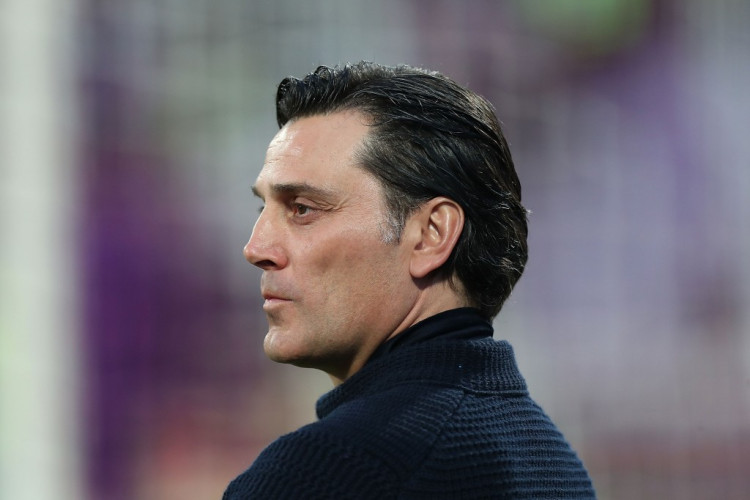
Turkey went to the World Cup backed by noisy support and a reputation for emotional, high‑energy football. They left as one of the tournament’s “gigantic disappointments”, with their story defined as much by what happened around the team as by the football itself.
On the pitch, results were poor and performances even worse. Turkey laboured to create quality chances and often looked short of ideas once opponents shut down their wide areas. The pressing lacked synchronisation, leaving gaps between midfield and defence that better sides happily exploited.
They conceded at bad moments, chased games with chaotic structures and repeatedly allowed matches to drift away from them before any coherent response was made. Yet several Turkish voices pointed out that the campaign “sucked” more because of the way it was run than because of the players themselves.
Questionable preparation, off‑field noise and unpopular decisions created an atmosphere in which the team never seemed settled or confident. A late fight for pride in their final group outing showed there was spirit in the dressing room, but by then the damage was done.
Brazil: Heavyweight aura, lightweight ideas
Brazil entered 2026 expecting Carlo Ancelotti to blend European control with South American flair and end a two‑decade wait for a sixth title. Instead, they joined the list of heavyweights whose campaigns were labelled “a disappointment”, as structural flaws and conservative choices prevented them from truly dominating the tournament.
A late winner against Japan in the knockouts showed Brazil still had the ability to conjure decisive moments through individual quality. Gabriel Martinelli’s stoppage-time goal and Casemiro’s earlier strike masked a performance where Japan found it too easy to run through midfield and punish sloppy passing.
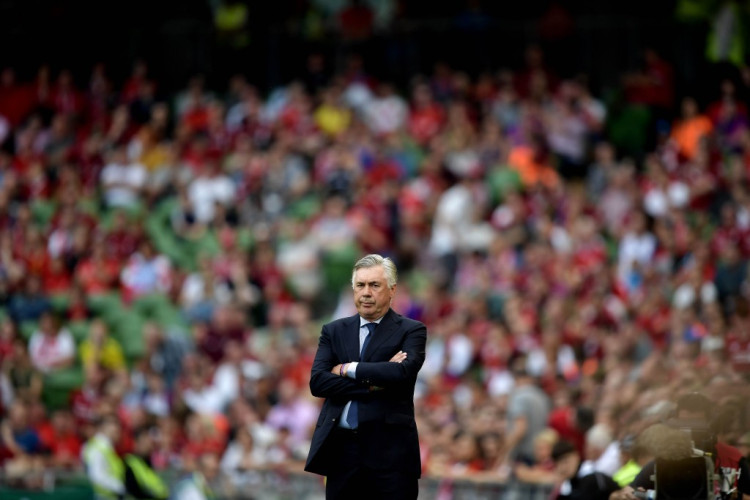
Over the wider campaign, Brazil often leaned on established names rather than fully embracing their emerging generation, and the balance of the front line did not maximise Vinicius Junior’s strengths, leaving him isolated and heavily marked on the flank.
Ancelotti’s blueprint, so effective at club level, never quite clicked with the national‑team pool. Brazil’s possession lacked imagination at times, and they struggled to produce sustained pressure against compact defences, making them vulnerable to counters and to matches being decided by fine margins.
Being knocked out before the latter stages, in a tournament where several underdogs thrived, underlined how relying on reputation and raw talent is no longer enough at World Cup level.
Germany: The new normal of failure
If Brazil’s underperformance was frustrating, Germany’s felt structural. Once serial semi‑finalists, they have now gone out early at three straight World Cups, and 2026 reinforced the sense that this is no longer a blip but a trend.
Germany started by thrashing Curacao 7-1, a result that briefly resurrected talk of a serious title charge. But underneath that scoreline, familiar issues remained: defensive shakiness, a lack of cutting edge in tight matches and an inability to control big moments.
Their elimination against Paraguay, 1-1 after extra time and then lost on penalties, summed up the problem. Germany had possession and territory yet failed to turn pressure into enough clear chances, and when it mattered most, key players missed from the spot.
In open play, Germany did not keep a single clean sheet against meaningful opposition, and their attack lacked the variety and tempo that once defined their tournament football. With their win rate at World Cups having dropped significantly since 2014, the 2026 campaign only deepened the feeling that Germany must rethink their entire national‑team project rather than tweak around the edges.
Taken together, these four underperforming campaigns show how quickly big‑name sides can be overtaken by better‑organised, hungrier opponents. Portugal’s muddled identity, Turkey’s off‑field chaos, Brazil’s conservative structure and Germany’s ongoing decline each point to different problems, but the outcome was the same: premature exits and bruised reputations.
Comment / Reply From
You May Also Like