
Five things we learned from Gameweek 20 of Premier League 2025/26
Gameweek 20 of the 2025/26 did not hand anyone the title, but it did something almost as useful: it exposed pressure points.
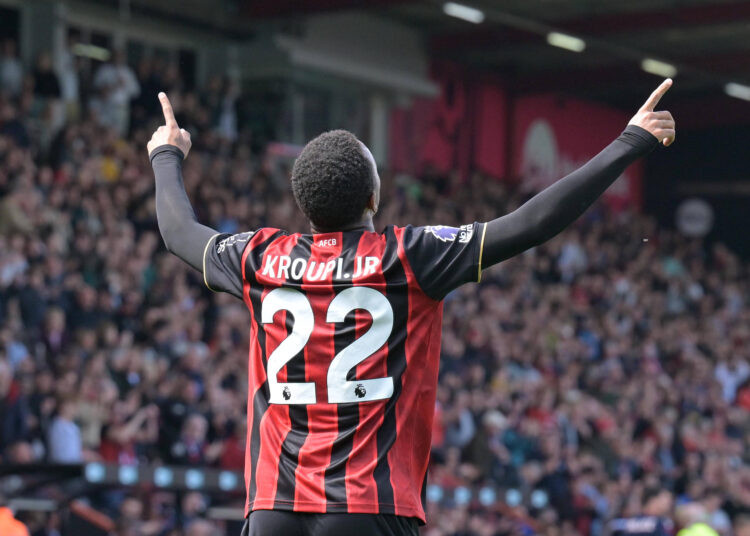
Arsenal came out of the chaos looking the sharpest, not because they were flawless, but because they found a way to win when the match tried to slip away. Their 3-2 at Bournemouth was the sort of result champions stockpile—ugly moments, loud away end, three points anyway—while several rivals looked stuck in the loop of “good spells, dropped points.”
Manchester City, meanwhile, suffered the kind of draw that feels harmless at minutes and harmful by Monday. A late Chelsea equaliser turned a professional-looking away win into another hit to momentum, and it left Pep Guardiola’s side chasing the margins rather than setting them. Chelsea, for their part, didn’t just spoil City’s night; they sent another reminder that their ceiling is high when the game becomes a duel of talent.
Liverpool’s draw with Fulham extended an unbeaten run, but it also widened a different conversation: are results masking a dip in control under Arne Slot, and what happens when the schedule turns unforgiving? And at Manchester United, the noise became the story again—another slip, another Monday reckoning, and a sacking that raises the uncomfortable question: what exactly is the season for now?
Arsenal’s Bournemouth win: points, nerve, and daylight
Arsenal’s 3-2 win at Bournemouth mattered because it carried the weight of a title weekend, not a mid-season away day. Big sides don’t just win when they play well; they win when the match asks them to stay calm in the mess—deflections, transitions, a crowd sensing a wobble. Arsenal negotiated that chaos and still walked out with three points, which is exactly how leads are built in February and defended in April.
The table impact was just as loud. By taking maximum points while Manchester City drew, Arsenal gained two points on their closest rival in the race, the kind of swing that changes the mood of a dressing room and the tone of a fanbase.
Even more telling, every other top-six side dropped points again, making it consecutive gameweeks of stumbles for the pack. When everyone around you is leaving doors ajar, the team that simply keeps walking through them starts to look less like a contender and more like the pace-setter.
Manchester City at Chelsea: a late wobble with a familiar sting
Manchester City’s draw at Chelsea was a bad result in the title race because it was the sort of game they usually close out. Pep Guardiola’s teams can forgive missed chances if the control is total, but this one didn’t feel like control—it felt like City trying to manage a slender lead without ever fully strangling the contest.
They didn’t score the second goal that would have killed Chelsea’s belief, and that choice—whether tactical or psychological—kept the home side alive.
The late concession also raised an awkward question: why did City look vulnerable when the clock should have been their ally? Part of it is game state. When you protect rather than chase , you invite territory, set pieces, and second balls.
Part of it is defensive timing—one lapse in marking, one duel lost, one runner not tracked, and the margins disappear. City’s best sides have been ruthless with moments; this felt like a side that left the door unlocked and then looked surprised when someone walked in.
Chelsea’s late punch: statement result, familiar uncertainty
Chelsea’s late equaliser—finished by Enzo Fernández—did more than dent City; it strengthened the argument that this squad can compete with the league’s best on a given day.
Quality has never been Chelsea’s problem in big fixtures: they can match athletes, win duels, and produce moments of class from midfield and wide areas when the game breaks open. Against City, they showed patience without looking passive, and belief without looking reckless, which is usually the line young teams struggle to hold.
It also, indirectly, helped Arsenal in the title race by taking two points off City. Chelsea won’t care about that detail, but it matters in the wider story of the weekend: Arsenal kept moving while City were held in place.
The catch—because there’s always a catch with Chelsea right now—is the managerial situation hanging over every performance. Results like this raise expectations quickly, while the club’s longer-term clarity (style, recruitment fit, and whether the coach is being backed for a multi-window plan) still feels unsettled.
Chelsea look good enough to hurt anyone; whether they look stable enough to chase something consistently is the bigger test.
Liverpool held by Fulham: unbeaten, but are they convincing?
Liverpool dropping points to Fulham extended their unbeaten run to eight games, but it also fed the feeling that the run has been more about outcomes than dominance. Arne Slot’s football is meant to bring control through structure—smarter spacing, cleaner build-up, fewer chaotic phases—yet too many recent stretches have felt like Liverpool winning (or not losing) while giving opponents routes back into games.
That doesn’t mean a crisis is brewing, but it does mean questions are fair. Are Liverpool creating enough high-quality chances when teams sit in? Are they managing transitions well enough when games turn into track meets? And are they over-reliant on late surges rather than sustained pressure?
The timing is what sharpens the debate: an upcoming trip to face Arsenal is the kind of fixture that punishes any drop in intensity or clarity. If Liverpool turn up with half-control and full hope, they’ll be betting against the one thing Arsenal are currently doing best—keeping their balance when the game gets messy.
Manchester United: another stumble, another reset button
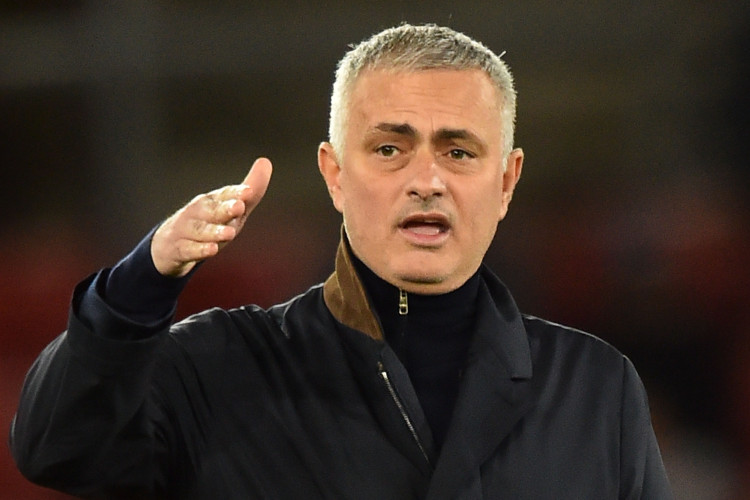
Manchester United dropping points away at Leeds United was already damaging; Ruben Amorim being sacked on Monday morning turned it into another episode of a season that can’t settle.
United don’t just look short on confidence—they look short on a clear, repeatable plan, which is usually what makes a managerial change risky in January. You can change the voice, but you can’t change the squad’s profile, the fixture list, or the accumulated tension overnight.
The bigger issue is objectives. If the aim is top four, a mid-season reset is a gamble unless the next appointment brings instant clarity and the players buy in quickly. If the aim has quietly shifted to “salvage European qualification and rebuild standards,” then the club has to be honest about that—and stop acting like each week is a referendum on the next manager.
This is the crossroads United always seem to reach: do they chase a short-term bounce, or do they pick a direction and accept the discomfort that comes with it? Sacking Amorim might lift the mood for a fortnight, but progress this season will depend on whether the change brings structure on the pitch, not just a new headline off it.
Comment / Reply From
You May Also Like